
Professional Care Guarantees
- Treatment by Certified MPT / BPT Doctors only.
- Advanced Modalify Equipment (Class 4 Laser, SWD, etc.)
- Home Visits available 7 days a week.
Back & Neck Pain Treatment
Medical Overview
Expert care for slipped discs, spondylosis, and chronic postural pain.
Key Benefits
- Relieves nerve compression (Sciatica)
- Corrects chronic spinal alignment issues
- Reduces cervical and lumbar tension
- Strengthens core and postural muscles
- Prevents disc bulge progression
- Immediate relief from muscle spasms
- Safe mobilization techniques used
- Improves daily functional mobility
Clinical Benefits & Procedure
Comprehensive spinal care using mobilization, manipulation, and digital traction to relieve nerve pressure.
Dr. Rakesh (MPT)
Director & Head Physiotherapist
Specialist in Advanced Pain Management & Sports Rehabilitation.
Educational Guide
Types of Physiotherapy
Understanding the different branches of physiotherapy helps you choose the right treatment for your condition.
Manual Therapy
Involves the therapist using their hands to manipulate, massage, and mobilize body tissues. Helps reduce pain and improve flexibility.
e.g. Joint mobilization, manipulation, myofascial release
Exercise Therapy (Therapeutic Exercise)
Specific movements prescribed to strengthen muscles and improve range of motion. The most common form of physiotherapy.
e.g. Stretching, strengthening exercises, balance training
Electrotherapy
Uses electrical energy to stimulate nerves and muscles. Highly effective for pain management and tissue healing.
e.g. TENS, IFT (Interferential Therapy), EMS
Heat & Cold Therapy (Thermal Therapy)
Uses temperature changes to treat injuries. Heat for chronic pain; Cold (Cryotherapy) for acute injuries to reduce swelling.
e.g. Hot packs, ice therapy, cryotherapy
Hydrotherapy (Aquatic Therapy)
Exercises performed in water. Buoyancy reduces joint load, making movement easier for arthritis or severe injury patients.
e.g. Pool-based rehabilitation, aquatic walking
Sports Physiotherapy
Designed specifically for athletes. Focuses on treating sports-related injuries and improving athletic performance through conditioning.
e.g. ACL rehab, sports taping, performance training
Neurological Physiotherapy
Focused on patients with nervous system disorders. Helps re-wire the brain-body connection for improved movement and independence.
e.g. Stroke rehab, Parkinson's, MS, spinal cord injuries
Geriatric Physiotherapy
Tailored for older adults. Addresses age-related issues like osteoporosis, arthritis, and balance disorders to prevent falls.
e.g. Falls prevention, joint mobility, osteoporosis care
Orthopedic Physiotherapy
Deals with the musculoskeletal system — bones, joints, ligaments, and tendons. Essential for post-surgical recovery.
e.g. Fracture rehab, ACL repair, knee replacement recovery
Cardiovascular & Pulmonary Physiotherapy
Focuses on patients with heart and lung diseases. Involves breathing exercises and guided physical activity to improve endurance.
e.g. Breathing exercises, cardiac rehab, COPD management
Complete Spine Care: Back & Neck Pain Solutions
Back and neck pain are the leading causes of disability worldwide. From the modern 'Tech-Neck' (caused by smartphone use) to chronic Lumbar Spondylosis, spinal issues can significantly degrade your quality of life.Our spine care program is designed to move beyond temporary relief. We focus on 'Mechanical Diagnosis and Therapy' (MDT) to identify the direction of bias in your spine—whether it's an extension or flexion issue—and use various modalities to decompress discs and stabilize the surrounding musculature. Our goal is to keep you surgery-free and fully active.
Common Spinal Triggers
The spine is a series of stacked vertebrae separated by shock-absorbing discs. Pain occurs when this system is compromised.
- Herniated or Bulging Discs (Slipped Disc)
- Sciatica (Nerve Root Compression)
- Cervical Spondylosis (Neck Degeneration)
- Postural Strain (Slumping at desks)
- Ankylosing Spondylitis
- Spinal Canal Stenosis
- Muscle Spasms and Myofascial Pain
- Facet Joint Syndrome
Most back pain is mechanical, meaning it can be corrected through structured movement.
Red Flags: Is your Back Pain Urgent?
Spinal nerves are delicate. Seek consultation immediately if you notice:
- Numbness or tingling reaching down to your feet or fingers
- Loss of bladder or bowel control (Cauda Equina - Emergency)
- Sudden 'Foot Drop' (Inability to lift front of foot)
- Pain that is worse when lying down at night
- Morning stiffness lasting more than 30 minutes
- Weakness in the legs causing loss of balance
Advanced Spinal Interventions
Modern medicine offers several pathways to recovery. A combination of these is often the most effective.
Mechanical Traction
Using computer-controlled decompression to gently pull the vertebrae apart, creating negative pressure to 'suck back' bulging discs.
Core Stabilization (Deep Core)
Training the Multifidus and Transversus Abdominis—the 'Natural Belt' of the human body—to take the load off the spine.
Ergonomic Assessment
A detailed review of your workstation setup to prevent recurring strain during work hours.
SWD & IFT
Deep heat and electrical currents to relax deep muscle spasms that heat packs can't reach.
Spine Stewardship Exercises
McKenzie Method (Extensions) is the gold standard for slipped discs. For stenosis, Flexion-based exercises are preferred. Never do 'Sit-ups' or heavy forward bending if you have an active disc bulge as it can push the disc further out.
Personalized Exercise Plan
Contact us for a bespoke clinical assessment.
Daily Spine Protection
- Use a lumbar roll or a small towel behind your lower back when sitting.
- Keep your monitor at eye level to avoid 'Forward Head Posture'.
- Walk for 5 minutes every 45 minutes of sitting.
- Avoid sleeping on your stomach as it strains the neck joints.
Back & Neck FAQs
Q. Do I have to live with Sciatica forever?
Ans. No. With nerve gliding exercises and disc decompression, 90% of sciatica cases recover fully without surgery.
Q. Is a hard bed better for back pain?
Ans. A medium-firm mattress is generally best as it supports the spine's natural curves while cushioning joints.
Q. Is walking good for back pain?
Ans. Yes, gentle walking is the best 'low-impact' exercise to keep the spine moving and hydrated.
Insights from
Dr. Suveda Kothari (MPT)
Senior Consultant Physiotherapist
"Dr. Suveda is a highly sought-after specialist in orthopaedic physiotherapy and geriatric care. Known for her compassionate approach and precision diagnosis, she focuses on restoring functional mobility and long-term pain management for her patients."
Joined by 12+ other specialists
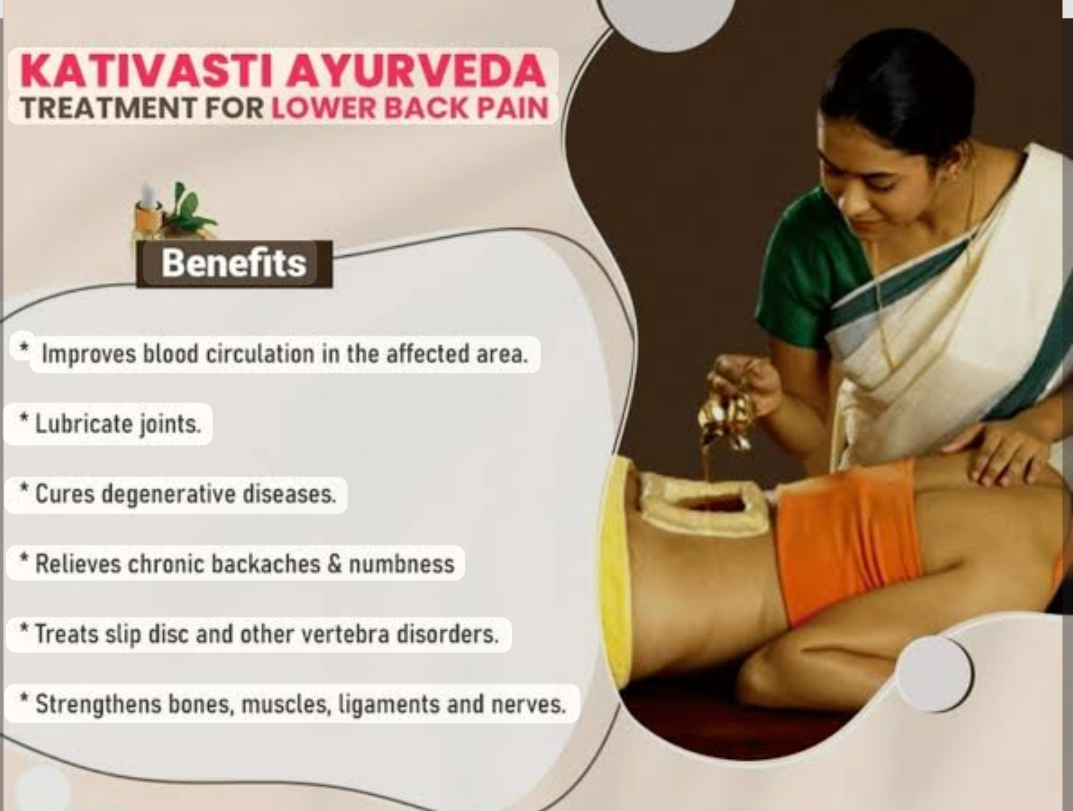
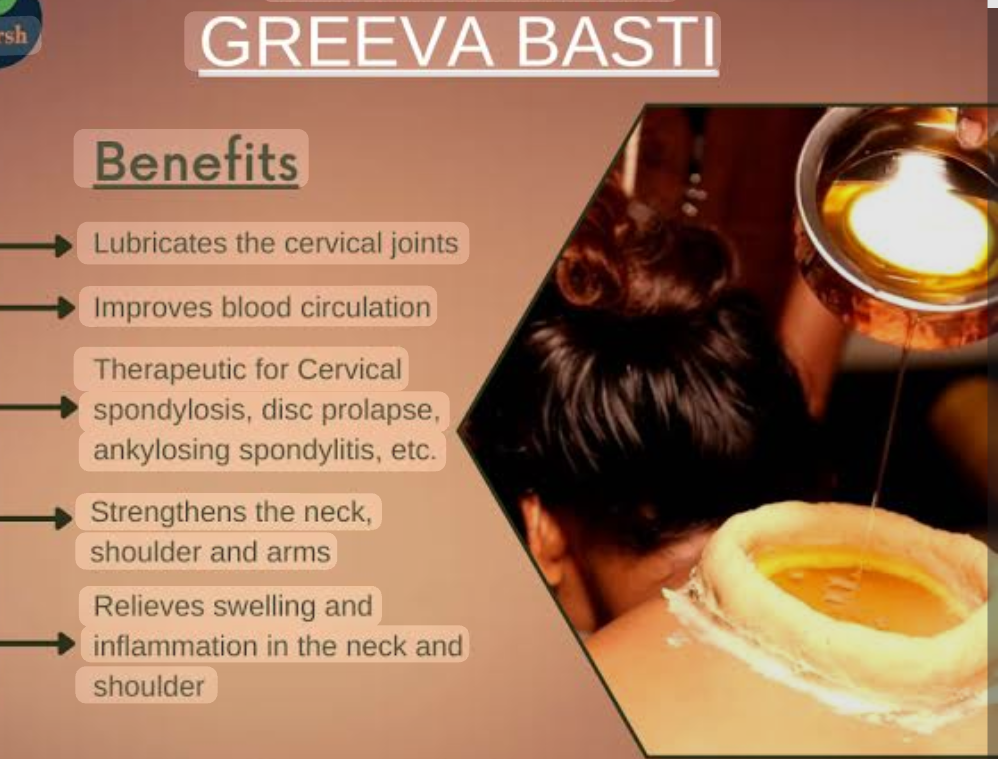
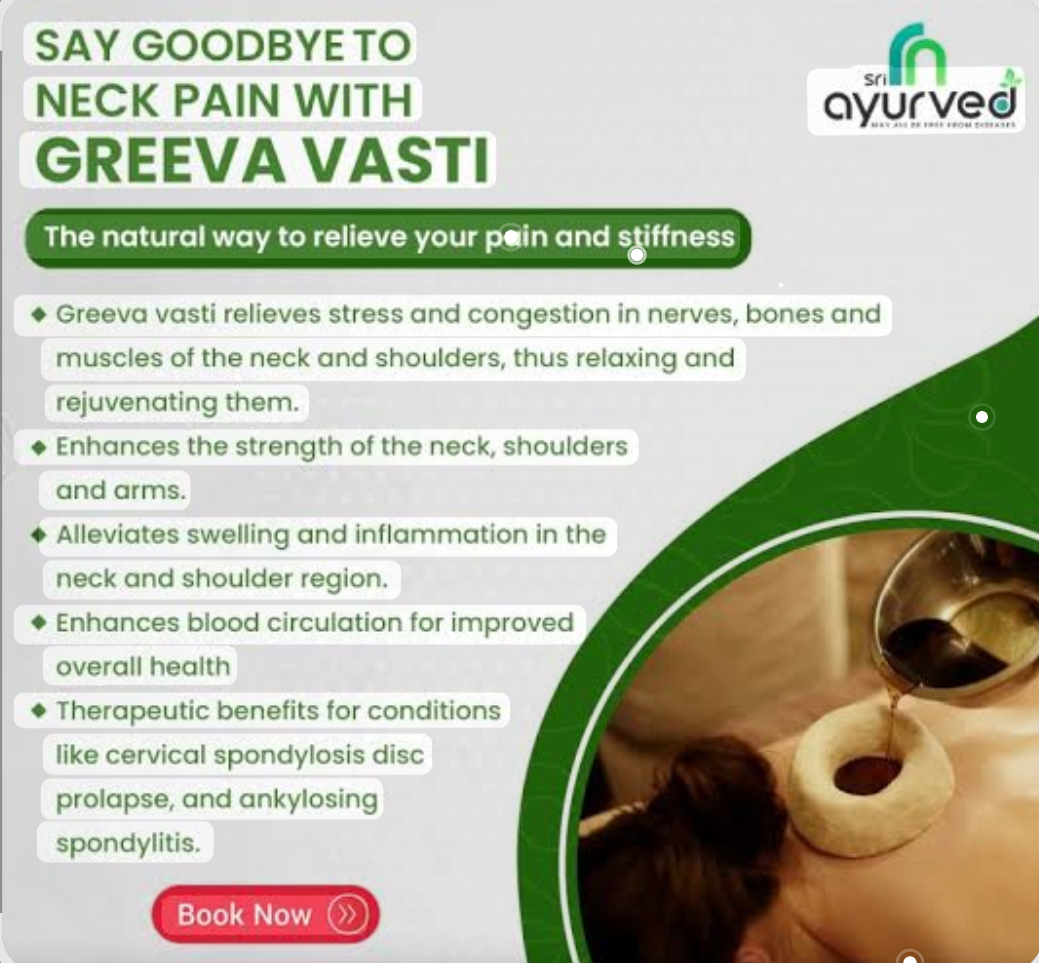
Ayurvedic Integration
Ayurvedic Therapies for Spine & Neck
Complement your physiotherapy with traditional Ayurvedic basti treatments for faster recovery and deep tissue healing.